Landscape Maintenance Tips for Balancing Beauty and Function
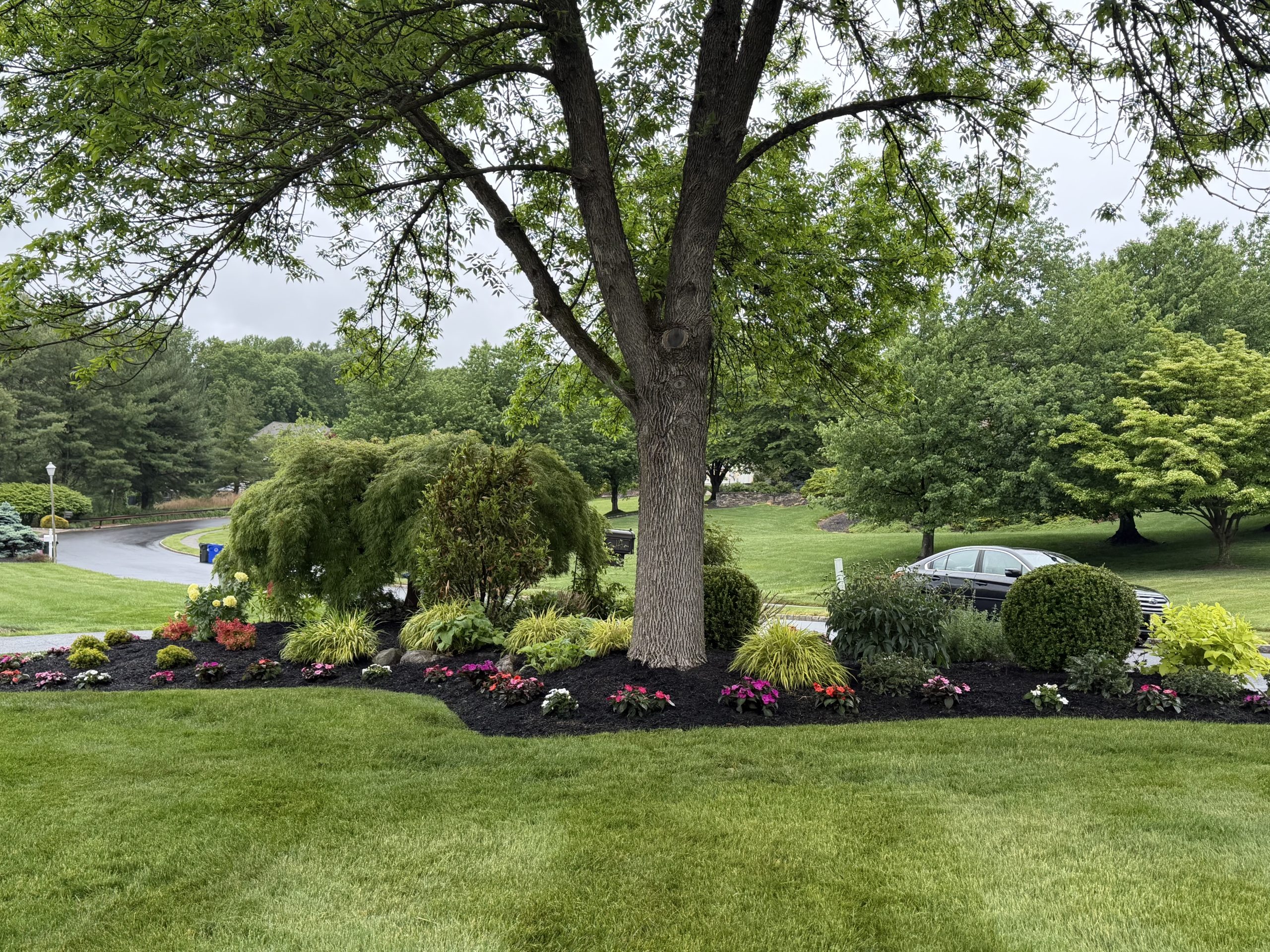
A landscape can look impressive on the day it is installed and still fail within a year. I have seen front entries buried by overgrown shrubs, walkways turned slick by algae, irrigation zones watering sidewalks more faithfully than root balls, and tidy planting beds that became a weekly labor trap by midsummer. The problem is rarely a lack of effort. More often, it is a mismatch between appearance and use.
Good landscape maintenance sits in that middle ground where beauty holds up under pressure. A property should welcome people, frame a building, soften hard edges, and manage water, all without demanding constant rescue. That balance is not accidental. It comes from decisions that respect growth rates, foot traffic, climate, drainage, and the limits of time and budget.
Landscape Maintenance, when done well, is less about making everything look freshly installed and more about guiding a living system so it performs. Some weeks that means pruning. Other weeks it means doing nothing, because unnecessary trimming creates weak growth or exposes soil to heat. The best-maintained landscapes often look effortless precisely because someone made disciplined choices early and kept adjusting before small issues became expensive ones.
Start by defining what the landscape must do
A common mistake is treating every part of a property as though it has the same job. A front foundation bed does not need the same maintenance standard as a stormwater edge. A shaded courtyard where people sit at lunch should not be managed like a remote perimeter planting. Once you identify purpose, maintenance decisions become clearer.
An entry landscape usually needs clean lines, strong seasonal appearance, and clear sightlines. That means selective pruning, reliable mulch depth, and plant spacing that avoids crowding doors, signs, or lighting. A family backyard has different priorities. Comfort, durability, and easy circulation matter more than formal symmetry. There, a little looseness in plant form may be acceptable if it means less breakage from pets or children.
Commercial properties add another layer. Safety and consistency carry real weight. Plants cannot block curb cuts, spill across parking stalls, or hide site lighting. Irrigation overspray is not just wasteful, it can create slip hazards and https://keeganlbso224.lucialpiazzale.com/landscape-maintenance-for-better-first-impressions-at-your-business leave visible mineral staining on pavement and walls. In those settings, function is not the compromise. Function is part of the beauty.
I usually advise property owners to walk their landscape with three questions in mind. Where do people actually move, where does water actually go, and what areas truly deserve close visual attention? The answers are often different from the original plan.
Prune for shape, health, and clearance, not just neatness
Pruning is one of the fastest ways to improve a landscape, and one of the easiest ways to damage it. Too much shearing creates dense outer growth and bare interiors. Repeated topping ruins natural form and can make shrubs more demanding over time. A plant that gets chopped into obedience every few weeks is usually a plant in the wrong place.
There is a practical difference between pruning for appearance and pruning for performance. Appearance pruning tidies outlines and removes obvious distraction. Performance pruning solves specific problems, such as restoring pedestrian clearance, opening visibility at a driveway, reducing branch weight over a path, or improving air movement around foliage. The second type usually has more lasting value.
Shrubs along sidewalks are a familiar example. If they are clipped only when they start touching the path, crews often shave the face and leave the top broad. Within one growing season, that shape pushes even farther into the walkway. A better approach is to keep the base slightly narrower than the top and selectively thin older stems back inside the canopy. That keeps the plant full without letting it become a green wall.
Trees demand even more judgment. Lower limbs over a lawn may look graceful, but if they force mowers into awkward passes or block sightlines near a driveway, they become a maintenance and safety issue. On the other hand, lifting a canopy too aggressively can stress a young tree and leave the trunk exposed to sunscald. The right move depends on species, age, site use, and timing.
A well-maintained landscape rarely looks over-pruned. It looks proportionate. Plants have enough room to express their character while still respecting the space around them.
Soil and mulch do more work than most people realize
People love to talk about plants because they are visible. Soil health and mulch management get less attention, yet they often determine whether a landscape remains attractive through heat, rain, and seasonal stress.
Compacted soil is one of the biggest hidden obstacles to landscape performance. In new construction, it is common to find root zones packed by equipment traffic. Water runs off instead of soaking in, turf struggles, and ornamentals never establish a strong root system. Property owners sometimes respond with more fertilizer or more irrigation, which adds cost without solving the underlying issue.
Improving soil does not have to mean full replacement. In many beds, careful topdressing with compost, gentle cultivation where roots allow, and consistent organic mulch can make a noticeable difference over time. You are trying to create a root environment that holds moisture without staying waterlogged and allows oxygen to move through the profile.
Mulch helps on several fronts. It moderates soil temperature, reduces evaporation, suppresses weeds, and softens the visual transition between plants. But mulch also has a bad habit of being overapplied. I still see planting beds with volcanoes piled against trunks and stems. That traps moisture where it should not sit, invites rot, and can encourage girdling roots in trees.
A more effective standard is simple. Keep mulch even, modest in depth, and pulled back from direct contact with trunks and crowns. In most landscapes, a layer around two to three inches works well, with some variation depending on material and site exposure. More than that often creates problems instead of solving them.
Watering should match roots, weather, and runoff
Overwatering is one of the most common forms of neglect disguised as care. Landscapes fail from excess water at least as often as from drought, especially in heavier soils or beds with poor drainage. Yellowing leaves, weak growth, shallow roots, fungal disease, and wasted water can all trace back to irrigation schedules that run from habit instead of observation.
The goal is not simply to wet the surface. It is to encourage roots to grow where they can support the plant through stress. Deep, appropriately spaced watering usually produces stronger results than frequent shallow cycles. Newly planted material is the major exception. It needs consistent moisture while roots move into surrounding soil. Once established, many trees and shrubs perform better when irrigation intervals lengthen and roots are encouraged downward.
Irrigation systems should also be maintained like mechanical assets, not ignored until a zone fails. Broken heads, tilted rotors, clogged drip emitters, mismatched nozzles, and bad controller settings can distort an entire maintenance program. A beautiful planting design can look mediocre if one corner stays dry and another remains constantly saturated.
One of the most useful habits is to audit irrigation after seasonal weather shifts. Early spring settings should not carry into peak summer, and summer run times often need to come down faster than people expect when temperatures ease. I have seen properties shave water use significantly just by fixing overspray, separating turf from shrub zones, and adjusting for shade versus full sun. That kind of fine-tuning protects both appearance and operating budget.
Design maintenance around traffic patterns
A landscape that ignores movement will always feel harder to maintain. People take shortcuts. Delivery staff wheel carts where routes are easiest. Children cut corners. Pets wear tracks. If you fight those habits purely with planting, the planting loses.
Balancing beauty and function means reading wear patterns honestly. If turf never survives along a route from gate to patio, that may be a sign to widen the hardscape or add stepping surfaces instead of reseeding repeatedly. If mulch washes onto a walkway after every hard rain, the issue may be grade, edging, or concentrated runoff rather than poor housekeeping.
Functional landscapes often borrow from what people do naturally. A broad sweep of ornamental grass can be striking, but not if it crowds a narrow path and brushes everyone passing by. Likewise, low plantings around signs may photograph well right after installation, yet they become a problem if mature height blocks visibility. Maintenance plans should anticipate mature size and use patterns, not just first-season aesthetics.
In public-facing areas, sightlines deserve special attention. Intersections, entrances, playground edges, and seating zones all benefit from controlled plant heights and clean separation between planting and paving. You can still create layered, attractive compositions, but the layers need discipline.
Lawn care needs restraint as much as attention
Lawns often consume a disproportionate share of maintenance hours. Mowing, edging, fertilizing, irrigating, and repairing wear can dominate the schedule, even where turf is not the most useful surface. That does not mean lawns are outdated. It means they should earn their footprint.
A healthy lawn contributes a calm, finished look and supports recreation well. But the standard has to fit the setting. A small front lawn framed by trees can justify close mowing and sharper edging. A low-use side yard may perform better with a slightly higher mowing height and fewer inputs. Scalping turf short for the sake of a crisp look usually backfires, especially in heat. Roots stay shallower, weeds find openings, and irrigation demand rises.
Mowing height is one of those simple decisions with outsized impact. In practice, turf kept a bit taller often looks fuller, handles stress better, and shades out weed seedlings more effectively. Sharp mower blades matter too. Ragged cuts leave a gray cast on the lawn and create more stress than many people realize.
If a lawn repeatedly struggles in deep shade, heavy traffic, or poor drainage, maintenance may not be the real issue. Site conditions may be asking for a different solution, such as a groundcover bed, a seating area, or a more durable surface. There is no virtue in forcing turf where it cannot reasonably succeed.
Weed control is easier when the landscape is dense and stable
Weeds flourish in disturbed ground, thin planting, and irrigation patterns that favor fast opportunists. They are not just a cosmetic problem. They compete for water, make beds look neglected, and can seed aggressively into adjacent areas.
The most efficient weed management programs rely less on constant reaction and more on prevention. A bed with healthy plant cover, appropriate mulch, and consistent irrigation is harder for weeds to colonize. By contrast, a bed with gaps, exposed soil, and erratic watering invites trouble. That is why plant spacing and establishment matter so much in the first year. Sparse installations may look neat at first, but they often turn into weed nurseries long before the desired plants fill in.
Hand removal still has a place, especially for isolated invaders or beds near sensitive plantings. Timing matters. Pulling a weed before it seeds is far more valuable than tidying after the fact. For larger sites, the right control method depends on species, season, and tolerance for labor versus material cost. The key is not to let low-level pressure become a chronic infestation.
Seasonal work should not be spread evenly through the year
One of the least efficient habits in Landscape Maintenance is applying the same effort every month. Landscapes have natural surges. If you anticipate them, the property looks better and the workload feels more manageable.
- Early spring is the time to inspect irrigation, refresh mulch selectively, prune winter damage, and define bed edges before growth accelerates.
- Late spring and early summer usually demand the most attention to weeds, mowing frequency, fertilization timing, and training new growth on shrubs or vines.
- High summer is often about water management, stress monitoring, and restrained pruning rather than major cosmetic work.
- Fall is ideal for cleanup, selective renovation, soil improvement, and many types of planting because root establishment continues while top growth slows.
- Winter, in milder climates, is when structural pruning, hardscape repairs, drainage corrections, and planning work can move forward with less interference from active growth.
That rhythm changes by region, but the principle holds. Maintenance should follow plant biology and weather patterns, not just the calendar on a service contract.
Hardscape deserves a place in the maintenance conversation
People often separate landscaping from hardscape, yet the two are tightly connected in day-to-day performance. A planting bed may be healthy and attractive, but if the adjacent path settles, catches runoff, or grows slippery with shade-loving algae, the space still feels neglected.
Pavers, gravel, edging, retaining walls, and drainage features need regular observation. Small defects rarely stay small outdoors. A slight low spot can become standing water. A loose edging strip can release mulch onto paving after one storm. A clogged drain grate can turn a decorative bed into a soggy basin that weakens surrounding roots.
From a visual standpoint, crisp transitions carry a lot of weight. Clean edges between lawn and bed, bed and walkway, or gravel and planting create order even when the planting style is relaxed. That is one reason mature gardens can still look refined without appearing overmanaged. Their boundaries are intentional.
I once worked with a property owner who was ready to replace half the front planting because the entrance always looked messy after rain. The plants were not the problem. Water from a downspout was punching into a mulch bed, scattering bark across the walk and leaving a trench through the soil. We redirected runoff, reset the grade, and reduced the issue dramatically. Sometimes the most effective landscape maintenance is not horticultural at all.
Plant selection either reduces maintenance or guarantees it
Maintenance can only do so much to rescue poor plant selection. If a species regularly outgrows its space, resents the soil, scorches in reflected heat, or struggles with local humidity, the crew will spend years compensating. That kind of landscape may look acceptable, but only at a cost that never settles down.
The most reliable plant palettes are not always the flashiest. They are the ones matched to light exposure, drainage, mature size, and the owner's tolerance for upkeep. A shrub chosen because it stays within bounds and keeps decent winter structure may offer more long-term value than a faster-growing plant with brighter flowers and constant pruning needs.
This is especially true in mixed-use areas. Near pools, avoid plants that shed heavily or drop messy fruit. Along driveways, avoid species with brittle branching or thorns where people exit vehicles. Around utilities and foundations, root behavior and mature spread should be considered early, not after conflict appears.
A landscape can still be expressive and layered without becoming fragile. The trick is to reserve the fussier plants for locations where their value is high and access for maintenance is easy. Save the dependable performers for the broad structural areas that need to carry the design through every season.
Know where precision matters most
Not every square foot deserves the same level of finish. This is one of the most important judgments in professional maintenance. If the entire property is treated like a formal showpiece, labor costs rise quickly and crews spend time polishing areas that few people notice. If standards are too loose everywhere, the site loses coherence.
High-visibility zones usually include the front entry, primary walkways, signage, outdoor seating, and views from major interior windows. Those places benefit from sharper edging, more frequent debris removal, tighter pruning standards, and stronger seasonal color. Secondary areas can be maintained to a simpler standard as long as they remain healthy, safe, and consistent with the overall design.
That distinction is not corner-cutting. It is resource allocation. A good maintenance plan directs effort where it changes the experience of the property most.
A practical inspection routine prevents expensive surprises
Most landscape problems announce themselves early. The issue is that nobody stops long enough to read the signs. A ten-minute site walk every week or two can catch irrigation leaks, insect pressure, storm damage, broken stakes, blocked drains, and developing visibility issues before they spread.
- Check whether water is landing where roots are, not on pavement or walls.
- Look at plant canopies from a distance for shape changes, yellowing, or thin spots.
- Notice how people are moving through the space and whether wear patterns are changing.
- Scan hardscape edges, drains, and bed lines after rain.
- Reassess any plant that needs repeated correction, because the root problem may be placement rather than care.
That small habit produces better results than many large seasonal interventions. Landscapes rarely decline overnight. They drift, then compound.
The best-maintained landscapes feel settled, not fussy
There is a point where too much intervention strips a landscape of character. Plants become geometric when they should be graceful. Beds are churned too often. Water is applied by schedule rather than need. Every fallen leaf is treated like a failure instead of part of a natural cycle.
Balancing beauty and function means knowing when to act and when to leave a healthy system alone. A mature tree dropping a moderate amount of leaf litter into a bed may actually be contributing useful organic matter. A perennial border may look softer between flushes of bloom without needing constant deadheading. A shade garden can feel lush and intentional even if it is not clipped into rigid lines.
The goal is not perfection frozen in time. It is a landscape that remains attractive, usable, and resilient as weather shifts, plants mature, and people live in the space. That standard is higher than simple neatness, and far more rewarding. When maintenance respects function, the beauty lasts longer. When beauty is built on realistic maintenance, the landscape stops fighting back.
Majestic Mowing & Landscaping LLC
Phone number: +19733975532
FAQ About Landscape Maintenance
What is landscape maintenance?
Landscape maintenance is the ongoing care, cleaning, and upkeep of outdoor green spaces to keep them healthy, safe, and attractive.
Is $100 an hour too much for landscape work?
An hourly rate of $100 is not too much for specialized or professional landscape work, though it sits at the higher end of the standard pricing spectrum.
How much do landscapers charge for maintenance?
For professional landscaping maintenance, homeowners typically pay $100 to $410 per month for recurring services, or an hourly labor rate of $50 to $100 per hour per crew member.